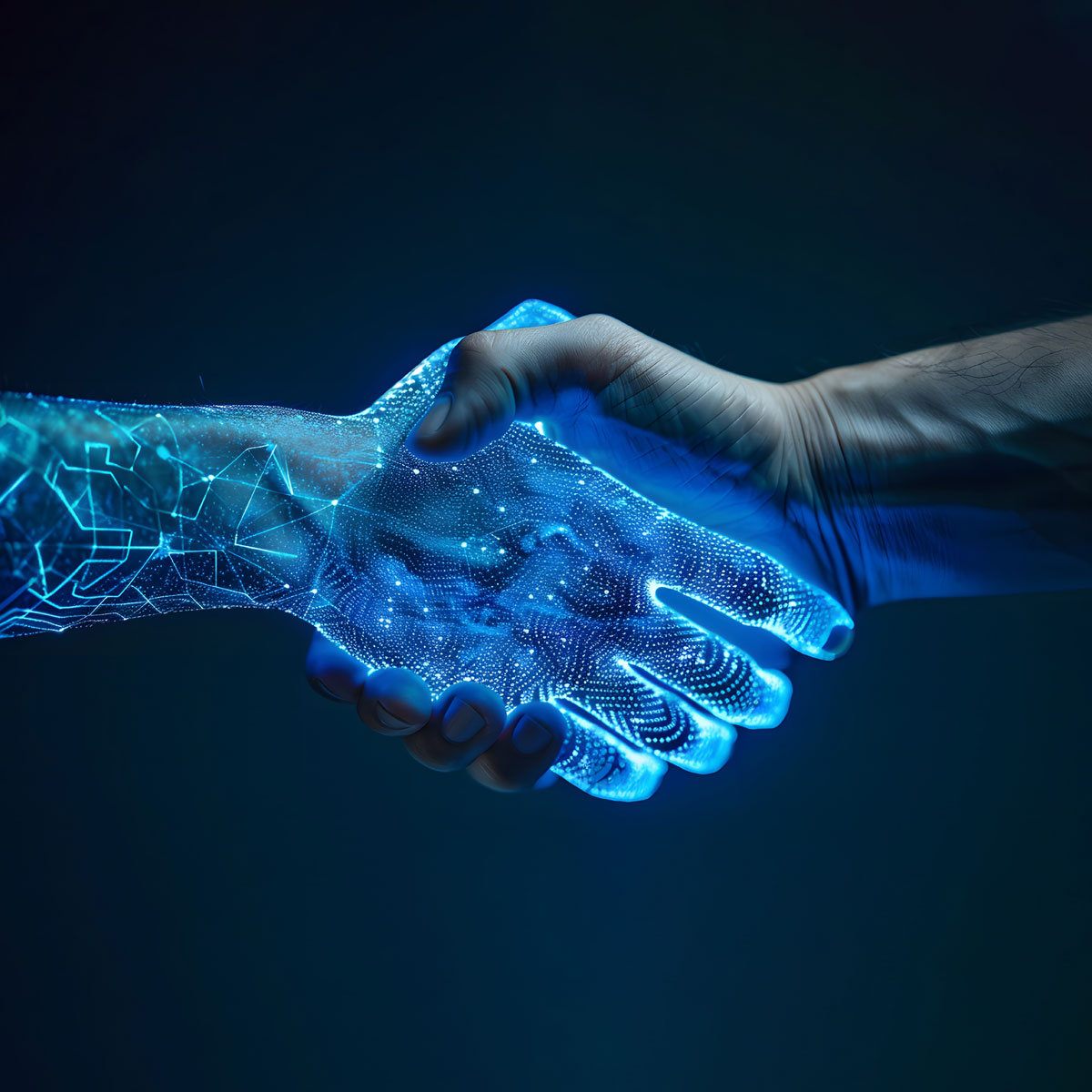
Across the world, Artificial Intelligence is rewriting the rules of progress. But in Africa, its story carries a different pulse — one of possibility, resilience, and reinvention.
While much of the world debates whether AI will replace humans, Africa faces a bigger question: How can AI unlock the full potential of its people?
This isn’t just about technology. It’s about transformation; about redefining how we learn, farm, heal, build, and create.
AI as Africa’s Infrastructure of Hope
In many African nations, the future is not about upgrading old systems; it’s about building from scratch.
Where the West is automating efficiency, Africa is leapfrogging limitation.
AI is already showing what’s possible. Farmers in Kenya are predicting rainfall with precision. Teachers in Nigeria are using adaptive learning tools to personalize education. Startups in Zimbabwe, Ghana, and South Africa are building fintech platforms that rival global giants.
This continent has always innovated from constraint. Now, with AI, those constraints can become creative power.
From Extraction to Creation
For too long, Africa’s role in the global economy has been extractive, exporting raw materials while importing finished ideas.
AI offers a turning point.
With the right vision, Africa can shift from a consumer of technology to a creator of intelligence.
Imagine Kiswahili-trained chatbots teaching children in their mother tongue.
Imagine AI-powered diagnostic tools bringing healthcare to remote villages.
Imagine local creatives using generative tools to tell African stories that travel the world.
The goal isn’t to imitate Silicon Valley. It’s to build Silicon Savannahs rooted in culture, community, and conscience
Jobs Won’t Disappear, They’ll Evolve
Automation will replace repetitive work, yes. But Africa’s greatest resource is not cheap labor, it’s human creativity and youth.
Over 60% of Africans are under 25. This generation is digital-first, entrepreneurial, and hungry to learn.
AI can turn this demographic wave into a dividend by equipping young people with new skills — from data literacy and creative coding to AI storytelling and digital ethics.
The question isn’t “Will AI take our jobs?”
It’s “Will we be ready for the new jobs AI creates?”
Guarding Against Digital Colonization
There’s a warning here. If Africa doesn’t build its own data systems and models, it risks becoming digitally colonized — supplying data while others harvest the value.
Our voices, languages, and stories must be trained into AI systems by us, not for us.
We need African policies, ethics, and innovation ecosystems that ensure our cultures, values, and identities are not erased by algorithms.
This is the new struggle for independence, not of land, but of digital sovereignty.
The Soul of Intelligence
Even as machines grow smarter, there’s one thing AI can’t replicate: Ubuntu.
That deep African truth — “I am because we are.”
AI will process, predict, and optimize. But it will never understand the heart of a community, the warmth of kinship, or the meaning of a shared meal.
The human soul remains the continent’s ultimate advantage.
In a world chasing speed, Africa’s strength lies in connection — in building systems that remember people, not just numbers.
A Future Written in Our Voice
The story of AI in Africa is still being written in Nairobi’s tech hubs, Lagos startups, Harare agencies, Kigali labs, and Cape Town studios.
Each innovation, each app, each creative experiment is proof that Africa is not waiting to be saved; it’s building its own future.
If we approach AI not with fear but with vision, not as imitators but as inventors, this technology could spark the continent’s most powerful renaissance yet.
It’s about humanity, and Africa, becoming limitless.
Ember AI
Conclusion: Humanity, Powered by Intelligence
AI is not the enemy of Africa’s progress; it’s the amplifier of it.
But only if we own the narrative, design the systems, and teach the machines our languages, ethics, and dreams.
Because the future of AI is not just about machines becoming smarter.